
How AR and VR Enhance Consumer Trust
The emergence of augmented reality (AR) and virtual reality (VR) technologies is profoundly shaping the online shopping landscape, particularly in fostering consumer trust. These innovative technologies offer immersive experiences that enable customers to visualize products in their own environments before making a purchase. This capability is crucial for online shoppers who often experience uncertainty without the tactile experience of a physical store. By integrating AR and VR, retailers can effectively bridge the gap between virtual and physical shopping experiences, allowing consumers to interact with products in a more meaningful way.
One of the notable benefits of using AR is the ability for users to see how a particular item will fit or look in their space. For instance, furniture retailers such as IKEA have implemented AR applications that allow customers to place virtual furniture in their homes using their smartphones. This visual validation not only helps potential buyers make informed decisions but also increases their confidence in their purchases. Such tools significantly reduce return rates, as consumers are less likely to buy items that do not meet their expectations once they visualize them in context.
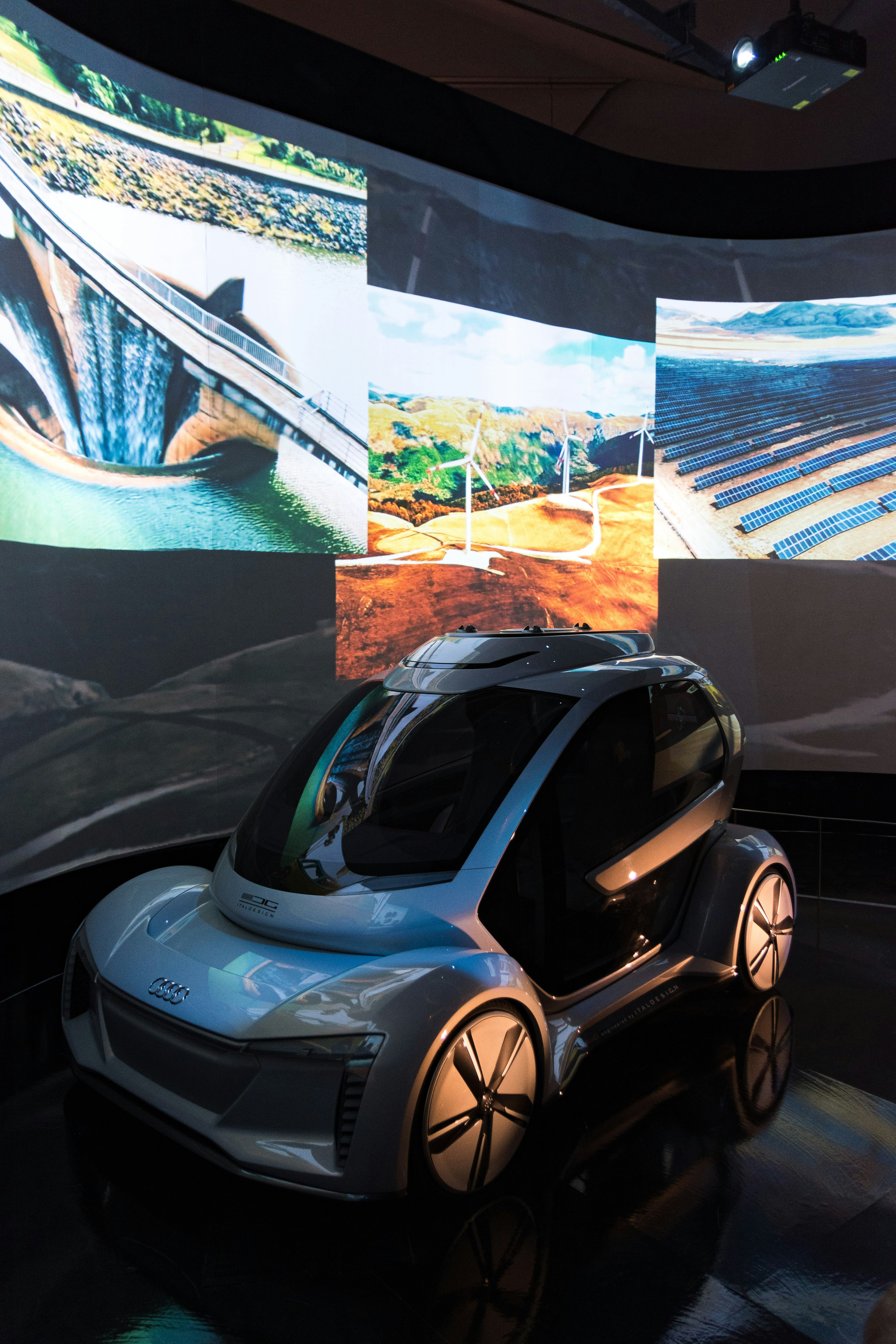
Additionally, VR can provide an even more engaging shopping experience. Through virtual showrooms, customers can walk through a store and interact with products as if they were physically present, dramatically enhancing the shopping experience. A case in point is the adoption of VR by brands like Audi, which allows potential buyers to explore their cars and customize features before visiting a physical dealership. This kind of firsthand experience cultivates a sense of trust in the brand and its products.
Statistical evidence supports the effectiveness of AR and VR in enhancing consumer trust. Reports indicate that brands utilizing these technologies have witnessed a noticeable increase in customer satisfaction and loyalty. As retailers continue to navigate the increasingly competitive online marketplace, the successful integration of AR and VR presents a promising path to not only enhance consumer trust but also reshape the overall retail experience.
Virtual Try-On in Beauty and Fashion
Virtual try-on technology is revolutionizing the beauty and fashion sectors by integrating augmented reality (AR) with advanced algorithms to create immersive shopping experiences. This innovative approach allows consumers to try on clothing and makeup digitally, eliminating the need for physical fittings and enhancing convenience. From renowned fashion houses to emerging beauty brands, companies are leveraging virtual fitting rooms to provide customers with a personalized shopping experience.
Technological advancements in accurate body scanning have played a critical role in this evolution. By employing 3D scanning technologies, brands can create precise digital avatars of users, ensuring that clothing fits as intended when viewed through a screen. Similarly, virtual makeup applications utilize facial recognition technology to overlay cosmetic products onto a user’s image in real time. This real-time feedback helps consumers visualize how items will look, significantly reducing the likelihood of returns and enhancing overall customer satisfaction.
Furthermore, the psychological impacts of virtual try-on experiences are notable. Studies suggest that consumers who engage with AR technologies are more likely to feel a sense of ownership over the items they interact with, resulting in higher levels of purchase intent. The element of gamification in trying on products virtually can also contribute to increased engagement, making the shopping experience more enjoyable and memorable. Some leading brands have reported substantial upticks in conversion rates after implementing virtual try-on features.
For example, companies like Sephora and Warby Parker have successfully harnessed the capabilities of virtual try-on technologies, allowing customers to experiment with makeup and eyewear choices from the comfort of their homes. These success stories not only highlight the benefits of AR in enhancing customer experiences but also set a precedent for the future of retail in the beauty and fashion sectors. As these technologies continue to evolve, they are likely to redefine how consumers interact with brands, making virtual try-on an essential tool for any serious retailer.
Metaverse Stores and Virtual Influencers
The emergence of metaverse stores represents a transformative shift in the retail landscape, wherein brands are utilizing virtual environments to create immersive shopping experiences. The metaverse, often described as a collective digital universe, enables users to interact with a plethora of digital products and services in highly engaging ways. This brave new world blends elements of augmented reality (AR), virtual reality (VR), and social media, loading the shopping experience with interactivity and personalization that traditional retail cannot match.
Within these metaverse stores, consumers are offered a range of engaging experiences, from browsing products in 3D virtual showrooms to participating in events featuring their favorite brands. This innovative approach allows retailers to showcase their products dynamically and provide customers with a sense of presence and agency. For instance, a user might explore a virtual fashion boutique, trying on outfits with just a few clicks, or even attend live events that feature exclusive product launches or celebrity appearances, all within the comfort of their digital realm.
At the heart of this transformation are virtual influencers, digital avatars that are quickly taking center stage in the realm of brand marketing. These influencers have cultivated substantial followings due to their ability to interact with users on a personal level and engage them through authentic storytelling. Unlike traditional influencers, virtual influencers can be designed to reflect specific brand values, ensuring that their messaging is consistently aligned with the identity of the brands they represent. The engagement styles of virtual influencers not only resonate well with tech-savvy consumers but also effectively drive sales in this rapidly evolving retail ecosystem.
In this new retail landscape, the integration of metaverse stores and virtual influencers marks a significant evolution in consumer behavior, setting the stage for a future where shopping is as much about experience as it is about transaction.
What’s Next: Personalized Avatars for Shopping
The future of virtual reality (VR) shopping is poised for a significant transformation with the introduction of personalized avatars tailored specifically for consumers. These digital representations will be designed to reflect the unique preferences, styles, and dimensions of individual shoppers, creating a more immersive and tailored shopping experience. By utilizing advanced technologies such as artificial intelligence (AI) and machine learning, retailers can enhance their virtual platforms to better cater to the diverse needs of their customers.
Personalized avatars will serve as a bridge between the physical and virtual retail environments, allowing shoppers to try on clothing, accessories, and even makeup in a virtual space that closely mimics their personal appearance. This capability will not only provide a more realistic perspective on how products will look but also empower consumers to make informed purchasing decisions without the need for physical trials. As these avatars evolve, they will incorporate a shopper’s historical purchase data and preferences, further refining the suggestions offered during the VR shopping experience.
Moreover, the integration of AI will facilitate dynamic interactions with these avatars, enabling them to learn and adapt to customers’ behavioral changes and preferences over time. This development hints at a future where personalized shopping experiences are not just reactive but proactive, anticipating consumer needs before they even arise. The potential for such technology in redefining the consumer’s journey in retail is significant. As virtual reality evolves, the availability of personalized avatars will likely shape a new standard in the retail landscape, leading to enhanced customer satisfaction and loyalty.
Ultimately, the next evolution of virtual reality shopping hinges on the ability to create engaging, personalized experiences that resonate with consumers on a deeper level. With advancements in AI and machine learning complementing the creation of tailored avatars, the retail sector stands on the brink of a revolution that promises to transform how shoppers interact with brands and products.