

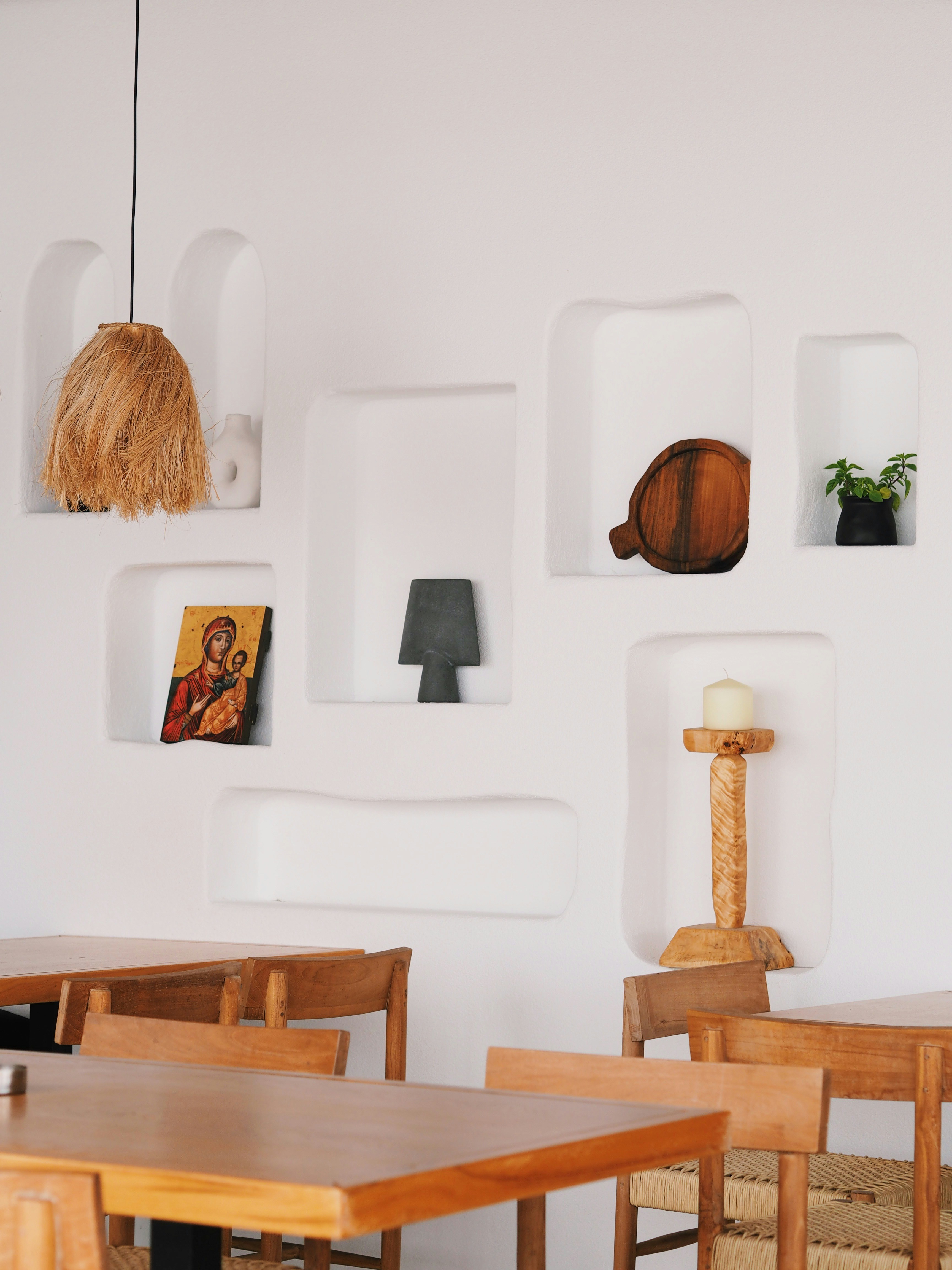
What is Minimalism?
Minimalism, at its core, is a lifestyle philosophy that emphasizes simplicity and intentional living. It advocates the reduction of excess in various aspects of life, allowing individuals to focus on what truly matters. While minimalism is often associated with the reduction of material possessions, its principles extend far beyond mere physical items; it encompasses mental clarity, emotional wellbeing, and time management. The origins of minimalism can be traced back to various cultural and artistic movements, including Zen Buddhism and modernist art, which sought to eliminate the unnecessary to reveal the essence of life.
Minimalism promotes conscious consumption, urging individuals to evaluate their needs critically and to make deliberate choices. This philosophy encourages people to declutter their living spaces, removing items that do not serve a specific purpose or bring joy. However, it also challenges individuals to declutter their minds, opinions, and commitments. By prioritizing quality over quantity, minimalists can create an environment that fosters mindfulness and reduces stress.
Interpretations of minimalism vary widely. For some, it may manifest as a commitment to a minimalist wardrobe, choosing versatile clothing that simplifies decision-making. For others, it may involve a digital detox, deleting unnecessary applications and emails to create mental space. Moreover, minimalism can significantly influence financial decisions, encouraging individuals to save and invest wisely rather than accumulate debt from unnecessary purchases.
Ultimately, minimalism encourages a life that is purposeful and fulfilled, offering clarity amidst the chaos of modern society. It invites individuals to reflect on their values and aspirations, pushing them towards a more intentional and mindful existence. Embracing minimalism is a personal journey, tailored to the unique preferences and goals of each individual, leading to greater overall contentment.
The Benefits of Embracing a Minimalist Lifestyle
Adopting a minimalist lifestyle brings a multitude of benefits that significantly enhance one’s quality of life. One of the most notable advantages is the improved mental clarity that often accompanies minimalism. By decluttering both physical spaces and mental bandwidth, individuals can reduce distractions and focus on what truly matters. This mental clarity can lead to an overall sense of peace and stability, as individuals free themselves from the chaos of excess.
Reduced stress is another significant benefit that often arises from embracing minimalism. The pressure to maintain numerous possessions can be overwhelming, leading to anxiety and stress. In contrast, a minimalist lifestyle encourages individuals to simplify their lives by owning only what they need and value. Studies have shown that individuals who have adopted a minimalist approach report lower stress levels, as they are less burdened by the demands of maintaining a large number of possessions.
Financial savings is a compelling reason to consider minimalism. By focusing on essential needs instead of accumulating unnecessary items, individuals often find their expenses decrease significantly. This shift encourages individuals to adopt mindful spending habits that prioritize long-term financial health over short-term gratification. Additionally, minimalism promotes investing in experiences rather than things, which has been associated with greater happiness and fulfillment.
Moreover, embracing minimalism can lead to a positive environmental impact. By consuming less and being more intentional about the products one chooses to purchase, individuals can contribute to reduced waste and lower carbon footprints. This shift towards sustainable living supports both personal well-being and the health of the planet. Real-life examples of those who have adopted minimalism demonstrate the profound changes that can occur when one prioritizes simpler living, leading to a more meaningful and fulfilling existence.
Practical Steps to Begin Your Minimalist Journey
Embarking on a minimalist journey requires a structured approach to simplify your life and surroundings. The first step is to declutter your living spaces. Begin by focusing on one area at a time—such as a room or even a single drawer. Utilize the “four-box method,” labeling boxes as “keep,” “donate,” “trash,” and “recycle.” This method not only aids in decision-making but also helps in visualizing the items you truly value.
Next, embrace mindful purchasing decisions. Prior to acquiring new items, ask yourself if the purchase aligns with your minimalist goals and whether it adds genuine value to your life. Creating a list of values or needs can serve as a guide, reducing impulsive purchases and encouraging thoughtful considerations. Implementing a “30-day rule” can also be beneficial; if you want to buy something, wait for 30 days to determine if it is truly necessary. This helps in fostering a more intentional approach towards your belongings.
Furthermore, prioritize experiences over material goods. Investing in moments—such as traveling, learning, or spending time with loved ones—can provide lasting fulfillment that physical items often cannot. Engage in activities that bring you joy and create lasting memories, steering your focus away from external possessions.
Maintaining a minimalist approach is an ongoing process. Regularly assess your items and experiences to ensure they align with your evolving values. Incorporating digital decluttering into your routine is equally important. Organize your digital files, unsubscribe from unnecessary emails, and limit time spent on social media to cultivate a more serene and focused digital environment.
By implementing these practical steps, you can gradually refine your lifestyle to embody the principles of minimalism, leading to a more intentional, fulfilling existence.
Overcoming Challenges in Minimalism
Embracing minimalism can often be accompanied by various challenges and misconceptions that may deter individuals from fully committing to this lifestyle. One predominant barrier is societal pressure, where the cultural norms promote material acquisition as a symbol of success and happiness. This incessant push to obtain more can create internal conflict for those striving to adopt a minimalist mentality. Overcoming this hurdle requires a conscious shift in mindset; recognizing that fulfillment does not stem from possessions but from experiences, relationships, and inner peace is crucial. It is essential to become aware of these external influences and intentionally cultivate an environment that aligns with minimalist values.
Another significant challenge lies in the emotional attachment many people have to their belongings. Objects can often evoke memories or represent stages in life, leading to difficulty in letting go. Developing a strategy to address these emotional ties becomes vital for anyone seeking to simplify their lives. One effective approach is to practice mindfulness when decluttering—taking the time to reflect on the purpose and joy an item brings before deciding to keep or release it. This method fosters a clearer perspective on what is truly valuable in one’s life and aids in detaching from the unnecessary.
Creating a supportive environment is equally important in maintaining a minimalist lifestyle. Surrounding oneself with like-minded individuals can motivate and reinforce these principles. Engaging in community groups focused on minimalism or connecting with friends and family who share similar values can provide encouragement during challenging moments. Establishing personal goals and revisiting them regularly not only keeps motivation levels high but also reminds individuals of the intentions behind their minimalist journey. As you navigate the day-to-day complexities of adopting minimalism, remember that it is a gradual process, and maintaining resilience is key to sustaining this lifestyle long-term.